How Professional Tree Trimming Improves Natural Light Without Sacrificing Shade
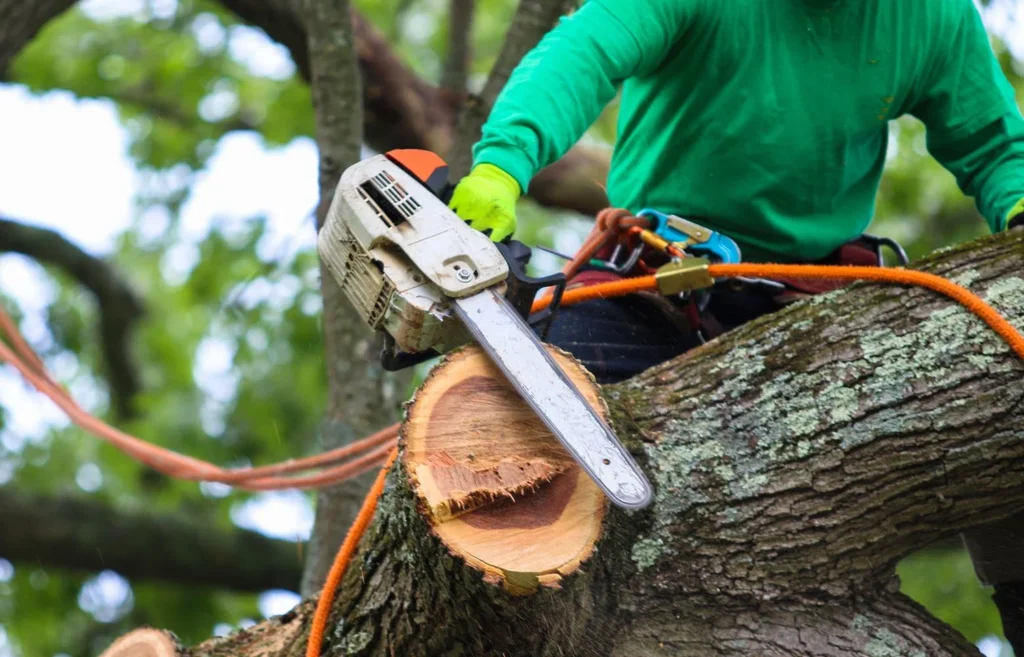
Trees are one of the greatest assets to any property, offering cooling shade, privacy, and visual appeal. However, when branches become too dense, they can block natural sunlight from reaching your home and landscape. Professional tree trimming helps create the right balance by allowing more light into key areas while preserving the benefits that mature trees provide. The Importance of Balanced Sunlight Too much shade can affect more than just the appearance of your yard. Lawns, flower beds, vegetable gardens, and even parts of your home depend on adequate sunlight to stay healthy. Excessive shade may lead to: Strategic trimming helps restore a healthier balance. Trimming Enhances Indoor Comfort Large branches growing close to windows can significantly reduce the amount of daylight entering your home. Selective trimming can: More natural light can make indoor spaces feel larger and more inviting. Healthy Trees Create Better Shade Professional tree trimming is not about removing large portions of the canopy. Instead, it focuses on removing unnecessary growth while maintaining the tree’s natural structure. This approach allows trees to continue providing: The goal is healthier trees—not fewer trees. Improve Lawn and Garden Performance Plants growing beneath thick tree canopies often compete for sunlight, water, and nutrients. Proper trimming allows sunlight to reach: Healthier plants create a more vibrant landscape. Increase Airflow Around the Property Dense branches can trap humidity around your home and landscape. Opening the canopy improves: Improved airflow also benefits the tree by reducing moisture-related stress. Prevent Branches From Blocking Important Areas As trees mature, branches may begin covering: Routine trimming keeps these areas functional while maintaining the tree’s appearance. Seasonal Trimming Maximises Results Different tree species respond best to trimming during specific seasons. Professional tree care specialists know when to trim to encourage healthy recovery while minimising stress. Scheduling maintenance at the appropriate time supports stronger growth and longer-lasting results. Why Professional Tree Trimming Matters Removing too many branches at once can weaken a tree and encourage poor regrowth. Experienced tree professionals understand how to improve sunlight penetration while preserving structural integrity, health, and long-term stability. Their knowledge ensures that every trimming decision benefits both the tree and the surrounding landscape. Conclusion Professional tree trimming is about creating balance rather than removing valuable shade. By increasing natural light, improving airflow, supporting healthier gardens, and maintaining beautiful tree canopies, routine trimming enhances both your landscape and your property’s comfort. Investing in regular tree maintenance helps your trees remain healthy while allowing your outdoor spaces to thrive for years to come.
Why Tree Trimming Is Essential Before Installing Solar Panels
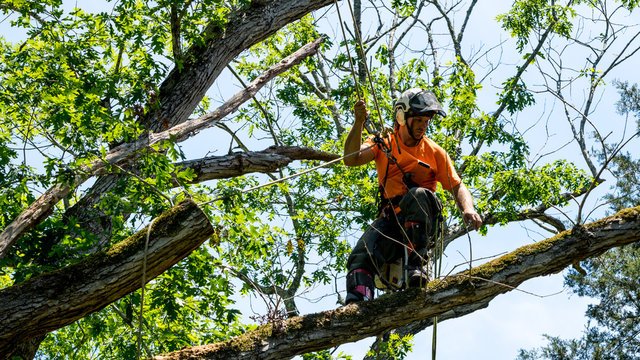
As more homeowners invest in solar energy, many overlook one important factor that affects panel performance—nearby trees. While trees provide valuable shade and environmental benefits, overgrown branches can reduce solar efficiency, increase maintenance needs, and even create safety concerns. Professional tree trimming allows homeowners to enjoy both healthy trees and optimal solar panel performance. Trees and Solar Panels Can Work Together Installing solar panels doesn’t always mean removing trees. In many cases, strategic tree trimming creates enough sunlight for panels while preserving mature trees that enhance the property’s appearance and value. The goal is to achieve a balance between energy production and healthy landscaping. Reduce Shading Throughout the Day Even small amounts of shade can reduce the efficiency of solar panels. As the sun moves across the sky, branches may cast shadows over different sections of the roof. Professional trimming helps: More sunlight generally means greater energy efficiency. Prevent Future Growth From Blocking Panels Trees continue growing every year. A branch that doesn’t interfere today may completely block sunlight a few years from now. Routine trimming helps control: Planning ahead reduces future maintenance issues. Protect Solar Equipment Branches hanging above solar panels can become hazardous during storms. Falling limbs may damage expensive equipment and interrupt energy production. Preventive trimming helps reduce the risk of: Keeping branches at a safe distance protects your investment. Minimise Leaf and Debris Buildup Trees naturally shed leaves, flowers, seeds, and small twigs throughout the year. When debris accumulates on solar panels, it can reduce their ability to absorb sunlight. Proper tree maintenance helps reduce: Cleaner panels operate more efficiently. Improve Roof Accessibility Solar systems occasionally require inspections, maintenance, or repairs. Overgrown branches can make it difficult for technicians to safely access the roof. Tree trimming creates safer working conditions while reducing the risk of branch interference during maintenance visits. Preserve Tree Health During Trimming Removing too many branches simply to expose solar panels can weaken a tree. Professional tree specialists carefully evaluate each tree to ensure trimming supports both tree health and solar performance. Selective pruning maintains the tree’s natural structure while improving light penetration. Benefits of Professional Tree Trimming Around Solar Panels Professional maintenance offers several long-term advantages: Conclusion Solar panels and mature trees don’t have to compete with one another. With professional tree trimming, homeowners can maximise renewable energy production while preserving the beauty and environmental benefits of healthy trees. Regular maintenance ensures your landscape and solar investment continue working together efficiently for years to come.
Why Tree Trimming Should Be Part of Every Home Maintenance Plan
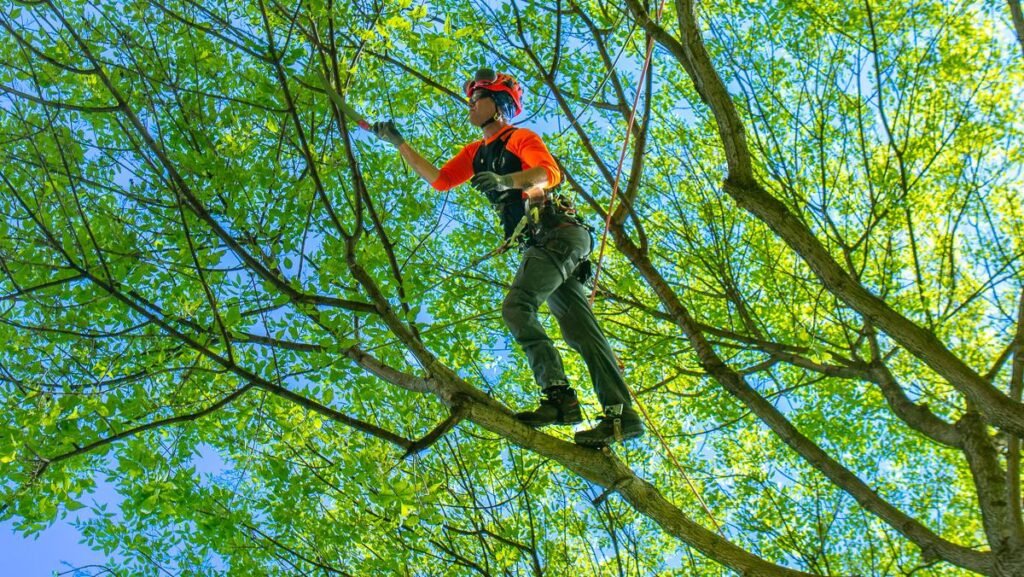
Most homeowners schedule roof inspections, clean gutters, and service HVAC systems every year—but trees are often overlooked until a branch falls or a storm causes damage. Including professional tree trimming in your regular home maintenance plan can help prevent costly repairs, improve tree health, and keep your property safe throughout the year. NYC Tree Trimming highlights routine trimming, pruning, inspections, and preventive maintenance as essential services for residential and commercial properties. Trees Continue Growing Every Season Trees never stop growing. Every year they develop new branches, expand their canopy, and increase their weight. Without periodic maintenance, this natural growth can create problems around your property. Overgrown trees may: Routine trimming keeps growth under control before it becomes a problem. Small Problems Become Expensive Repairs A branch rubbing against your roof may seem harmless today, but over time it can damage shingles, gutters, and exterior walls. Similarly, branches growing close to windows may scratch glass during windy weather. Preventive trimming costs far less than repairing structural damage caused by neglected trees. Healthy Trees Require Routine Maintenance Just like shrubs and lawns, trees benefit from regular care. Professional trimming helps remove: Removing unhealthy growth allows the tree to direct energy toward stronger, healthier development. Improve Safety Around Your Home Trees located near living areas should be inspected regularly. Weak branches can fall unexpectedly, especially during heavy rain, snow, or strong winds. Regular trimming helps protect: Preventive maintenance greatly reduces safety risks. Keep Your Landscape Looking Well Maintained A neatly trimmed tree enhances the appearance of your entire property. Balanced canopies create cleaner sightlines and complement other landscaping features. Well-maintained trees contribute to: Prevent Emergency Tree Services Emergency tree removal is often the result of years of neglected maintenance. Regular inspections allow professionals to identify weak branches and structural concerns before severe weather turns them into emergencies. A simple maintenance schedule can help avoid unexpected tree failures. Create a Long-Term Tree Care Schedule Rather than waiting until a tree becomes hazardous, homeowners should establish a routine care plan based on the tree’s species, age, and condition. A maintenance schedule may include: Consistent care keeps trees healthier throughout their lifespan. Why Hire Professional Tree Experts? Proper tree trimming requires more than cutting branches. Certified professionals understand tree biology, safe pruning techniques, and how different species respond to trimming. Incorrect pruning can weaken a tree and encourage unhealthy regrowth. Professional maintenance ensures every cut supports the tree’s long-term health while improving property safety. Conclusion Tree trimming should be treated as an essential part of every home maintenance routine. Regular care helps prevent property damage, improves tree health, enhances curb appeal, and reduces the risk of emergency situations. By scheduling professional tree maintenance before problems arise, homeowners can protect both their investment and the natural beauty of their landscape for years to come.
How Much Does Tree Trimming Cost in NYC? Complete 2026 Pricing Guide
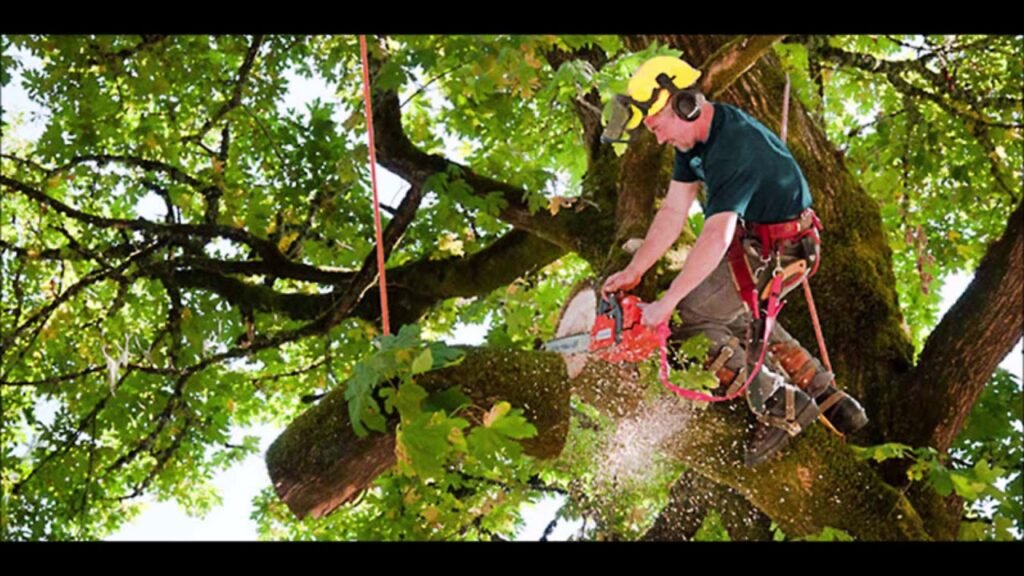
As a property owner in New York City, you are already aware that there is nothing that is cheap in the city, and the services of a tree care professional are not an exception. With the high cost of labor, the notoriously cramped lots, overhead electric lines and strict city permit requirements, cutting down a tree in the five boroughs is more expensive (and more bureaucratic) than anywhere in the country. But what’s the deal for 2026? This guide covers everything from actual NYC tree trimming prices, what makes them higher or lower, the permit rules you could end up violating and with a jaw-dropping fine and some money-saving tips that are not quite cutting corners. Quick Answer: NYC Tree Trimming Costs at a Glance The average cost of tree trimming in NYC is $518 per tree, which can range from $450 to $1,000 for medium-sized trees. Most homeowners pay anywhere from $300 to $2,027 for tree removal, depending on the tree’s size, type, and location. The cost of small, easy-to-reach trees can be $150-$250, and for large, hard-to-reach trees near buildings or power lines, it can exceed $2,000. We dissect what’s behind those numbers, below. Average Tree Trimming Costs in NYC (2026) Here’s a realistic snapshot of what New Yorkers are paying this year, based on tree size: Tree Size Typical Height Estimated Cost Range Small Under 25 ft $150 $450 Medium 25 50 ft $450 $1,000 Large 50 80 ft $1,000 $2,000+ Very Large / Complex 80 ft+ $2,000 $3,500+ These ranges reflect NYC’s premium pricing. The city’s tight lots, overhead utility lines, and dense canopy, including the iconic London plane, make trimming here more complex than in most U.S. markets. How NYC Tree Trimmers Charge Understanding how pros bill you helps you compare quotes fairly. In the Big Apple you’ll find three main pricing models. Per-tree pricing is the most common for homeowners. Tree removal is done on a flat fee depending on the size, condition and location of the tree. Hourly rates are typical for larger jobs or multiple trees. New York lead climbers charge $125 to $225 an hour and a full three man crew may charge $300 to $500 an hour. Certified arborist assessments carry their own fee. ISA-certified arborists, who can determine a tree’s health and provide a written report, come with a higher price tag ($150 to $300 an hour), and are particularly valuable on trees that are large or structurally unsound because they are close to structures. What Affects Tree Trimming Costs in NYC? No two NYC properties are alike, and neither are two quotes. Here are the biggest factors that determine your final price. 1. Tree Size and Height The most important cost factor is size. Larger trees have more branches, are more time consuming and dangerous. The cost may also be greater for very tall trees, if they cannot be reached by a budget friendly bucket truck because of alleys or brownstone backyards, but do require a skilled climber. 2. Accessibility This is where NYC really stands apart. Often, in backyards in Brooklyn and Queens, there is no room for normal equipment, and the buildings are too close together and tight. If you need a crane or rooftop rigging, the base cost will increase by $500 up to $2,000 depending on your specific needs. 3. Tree Species Tree species is important. The more time and effort it takes, the larger it is and the denser it is and the thicker the branches. London plane is one of the species that makes up NYC’s canopy, and is a species that needs to be carefully and skillfully trimmed. 4. Tree Health and Condition A damaged, diseased or dead tree is more dangerous to be on, and will increase the price. When trimming an unstable tree, additional precautions must be taken to keep the tree climber safe. All of the following will add complications: signs of pests, rot and storm damage. 5. Proximity to Power Lines and Structures Trees next to utility lines, rooftops or adjacent buildings require special techniques and additional precautions which add to labor and cost. 6. Number of Trees Most companies will charge on a per tree basis, and if you cut multiple trees in one job, you should expect to pay more per tree, but many crews will be able to give you a better per tree rate if you need to cut multiple trees. 7. Debris Removal and Cleanup Always check if they include taking away branches and debris. Disposal may be an extra charge in NYC’s dense areas. The NYC Permit Factor: Don’t Skip This Here’s something homeowners in the suburbs never have to worry about, and something that can cost you tens of thousands of dollars if you get it wrong. Before the work is done, if a contractor or the property owner wishes to work on or within 50′ of a street tree (any tree under NYC Parks jurisdiction), a Tree Work Permit must be obtained from NYC Parks. A street tree is one in the sidewalk space between the curb and your property line, and although one may appear to be right in front of your home, it is owned by the City. There are serious consequences for not complying with this. The vandalizing, destruction or injury of a street or park tree is a misdemeanor punishable by up to $15,000 and up to one year in jail. Typically, an unauthorized job on a mid-sized street tree costs between $7,000 and $25,000, not to mention the cost of replacing the tree, which is currently around $2,500 per tree. Good news for most homeowners: If a tree is entirely on your private property in NYC, you should not need a DPR permit to cut or remove it. If you wish to have a street tree pruned at your own cost, NYC Parks will consider granting a no-fee Tree Work Permit if the tree pruning is performed by a licensed arborist. The bottom
Trusted Tree Care & Removal Specialists Serving All NYC Areas
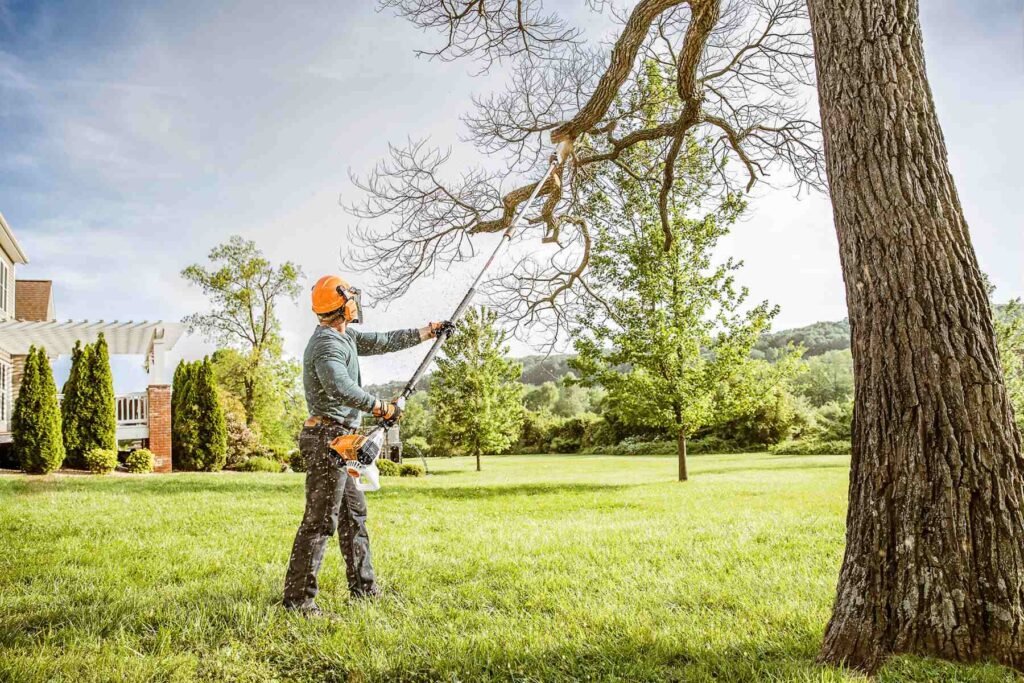
In today’s modern and advanced times, where New York City is quickly growing with buildings, roads and infrastructure development everywhere, the importance of trees cannot be ignored at all. Trees are not just a part of natural beauty but also an important part of the environment that helps clean and purify the air, reduce pollution and make the city more cozy and healthy. Still, when trees are not properly maintained or their condition is not managed in time, they can become a risk instead of a benefit. That is why the demand for Trusted Tree Care & Removal Specialists has greatly increased across all areas of New York City. A expert company like NYC Tree Trimming understands this need and provides reliable and expert tree care and removal services that provide safe, helpful and useful solutions in every situation and condition. Importance of Tree Care in New York City: In a busy and crowded populated city like New York City, the role of trees is not limited to decoration only but they are an important part of the natural system. In every borough, trees help balance the environment and provide fresh air to people. Still, due to pollution, limited space and ongoing construction activities in city areas, trees are under constant and regular pressure. If trees are not properly maintained and cared for, they can become weak, infected with diseases or develop dangerous and risky conditions. In such situations, timely maintenance becomes important to guarantee they remain and stay safe and healthy. NYC Tree Trimming understands this requirement and provides skilled tree care services in all areas, guaranteeing the long-lasting health and stability of trees. Role of Trusted Tree Care Specialists: Trusted tree care specialists are experts who deeply and personally understand the health, structure and safety of trees. Their work is not limited to cutting or trimming only; instead, they carefully and skillfully examine every tree and provide the best solution according to its condition. The specialists at NYC Tree Trimming are trained and experienced, managing every situation with care and correctness. They first survey the tree condition and then decide if trimming, cutting or removal is the best choice. This skilled method guarantees that all work is completed safely and without any risk to people or property. Tree Trimming and Maintenance Services: Tree trimming is a very important part or element of tree care that controls and balances tree growth. When branches become overgrown, sloped and thick, they weaken and may fall at any time, creating danger or risk for people and property. NYC Tree Trimming provides skilled trimming services where needless branches are removed while maintaining the natural shape of the tree. This improves the overall health of the tree and keeps its growth balanced. Proper trimming also improves the look of the landscape, which increases the overall value of the property. Safe and Professional Tree Removal: Sometimes situations happen where tree removal becomes unavoidable. Dead, diseased or physically weak trees must be removed to stop accidents. Still, tree removal is a risky and skilled method that should only be managed by experts. NYC Tree Trimming provides safe and controlled tree removal services where every step is carefully and skillfully planned. If the tree is located in a housing area or a busy commercial area, their expert team uses modern processes and safety tools to remove the tree without causing any damage. Role of Emergency Tree Services: In New York City, harsh storms, heavy winds and unexpected weather conditions commonly damage trees or cause them to fall. In such emergency situations, quick action is important to avoid more damage and accidents. NYC Tree Trimming provides emergency tree services with fast response and quick action. Their team is always ready to manage any emergency situation and guarantee public safety. This service is especially important in busy city areas where quick recovery is also important. Advanced Tools and Modern Methods: Modern and advanced tree care and removal require advanced tools to guarantee safety and performance. Tools such as cranes, ropes, harnesses and cutting tools make the work safer and more useful. This also helps reduce the risk of accidents and saves time. NYC Tree Trimming uses the latest tools and advanced methods to guarantee every project is completed at a skilled level. This method guarantees useful performance and high-quality results for all customers. Environmental Responsibility and Eco-Friendly Method: Tree care is not only about trimming, cutting or removing trees but also about protecting and maintaining the environment. Every tree plays an important role in maintaining air quality and balancing the atmosphere. NYC Tree Trimming follows eco-friendly routines and tries to avoid needless tree removal whenever possible. When removal is important, proper wood recycling and waste management are done to reduce environmental impact. This method promotes stability and helps maintain natural balance. Property Value and Attractiveness: Well-maintained trees greatly increase the beauty and value of any property. A clean and organized landscape creates a positive impression on visitors and possible buyers. If trees become overgrown or damaged, they can negatively affect the overall look of the property. NYC Tree Trimming provides solutions that make landscapes neat, safe and attractive, increasing the value of both housing and commercial properties. Professional Team and Customer Satisfaction: In tree care services, having an experienced and professional team is very important. Every tree has different conditions and requires a specific method. The team at NYC Tree Trimming includes trained and skilled professionals who carefully manage every project. Their focus is not only on completing the work but also on guaranteeing complete customer satisfaction. Every service is delivered with skill and clarity. Conclusion: In conclusion, it is clear that Trusted Tree Care & Removal Specialists play a very important role across all areas of New York City. Proper tree care is important not only for environmental benefits but also for safety and property protection. A company like NYC Tree Trimming provides reliable, professional and expert tree care and removal services that manage every situation successfully.
Cost-Effective Tree Maintenance & Cutting by Local Experts
In today’s advanced times, as city life continues to grow quickly and construction, road development and property development are increasing everywhere, the importance of trees and their proper maintenance has become more important than ever before. Trees not only improve the beauty of the environment, but they also clean the air, reduce heat, improve property value and maintain natural balance. Still, to keep trees healthy, safe and attractive, regular care is very important. Many people consider and examine tree maintenance as a needless expense and ignore it, but over time, this neglect can lead to greater costs, safety risks and property damage. That is why the concept of cost-effective tree maintenance and cutting services is so important, especially when local experts are providing skilled and perfect work at affordable or reasonable rates. A skilled and expert company like NYC Tree Trimming plays a very important role here because it does not just cut trees; it provides complete solutions focused on tree health, safety and landscape beauty while keeping services affordable and useful. The special benefit of local experts is that they understand the area’s climate, tree types and local safety laws very well, which makes their work more reliable, trusted and budget-friendly. Cost-effective tree maintenance does not simply mean spending less money; it means making a smart investment that can avoid and stop expensive future problems or issues. The Real Importance of Tree Maintenance The main plan of tree maintenance is to keep trees healthy, strong and safe. When trees receive regular trimming, cutting and pruning, diseases are reduced, their structure remains or stay strong and they become more stable during heavy storms or harsh weather conditions. In many homes and commercial properties, overgrown branches can become dangerous for roofs, electric wires or cars. If these issues are not controlled on time, emergency tree removal can cost many times more than regular maintenance. Local experts like NYC Tree Trimming focus on protective maintenance, which is one of the best and main sources of long-lasting savings. Regular tree care helps identify weak branches and remove them before they become dangerous and risky, greatly reducing the chances of accidents. In addition, proper trimming improves sunlight insight and provides the nearby plants a better and perfect opportunity to grow. This means that a simple maintenance service can improve the overall environment of a landscape. The Concept of Cost-Effective Tree Cutting: Many people suppose that tree cutting is always an expensive method, but in reality, when this work is done by local and skilled experts, it can be very reasonably priced. Cost-effective tree cutting means performing safe, useful and correct removal or trimming without needless expenses. Not every tree needs to be completely removed; in many cases, planned cutting or unsafe or risky branch removal is enough. Experts at NYC Tree Trimming first examine the condition of the tree and then suggest the best possible low-cost solution for the client. This method stops property owners from overpaying and guarantees they only receive the services they truly or surely need. Local companies also commonly charge lower transportation and travel costs because they manage the nearby area, which keeps the overall project budget manageable. The Benefits of Hiring Local Experts: The main benefit of local tree service providers is their local experience. Every area has different trees, weather patterns and city rules. Local experts like NYC Tree Trimming understand the city tree challenges of New York City, such as storm damage, tight housing spaces or city rules. This local awareness and knowledge create direct financial benefits for clients. When a company understands permits, seasonal timing and proper tools, the work is completed faster and more successfully. This reduces labor costs and avoids needless delays. Local experts can also respond quickly during any emergencies, which is especially valuable after heavy or harsh storms. Their fast response ability and affordable service packages make them a very cost-effective and useful option. Big Savings With Protective Care: One of the main financial benefits of tree maintenance comes from protective care. If a tree is ignored for years and suddenly becomes diseased or unstable, removing it can become very expensive or costly. In comparison, regular surveys and seasonal cutting or trimming are relatively low-cost. NYC Tree Trimming follows a protective plan in which experts monitor branches, roots and signs of disease. Early detection and identification help control fungal infections, insect infestations, pest infections and physical weakness. In this way, a small service can remove major and serious future charges. Protective tree care is basically a financial protection plan that shields property owners from unexpected and needless losses. Balancing Safety and Affordability: When it comes to tree cutting or trimming, saving money is important, but safety is equally important or critical. Hiring inexpensive but unqualified and unprofessional workers can be very risky. Improper cutting methods can lead to property damage, personal injury and legal consequences. Therefore, a cost-effective solution should provide expert and the best quality at a reasonable price, not simply the lowest price. NYC Tree Trimming balances both affordability and safety. By using expert tools, trained crews and protection coverage, clients gain complete peace of mind. When the job is done correctly, the risk of future repairs and payment costs is also reduced. For smart clients, the best and perfect choice is always a service that provides approved and certified skill at a fair and honest cost. The Role of Seasonal Tree Maintenance: Every season brings different challenges for trees. Winter increases the risk of dead branches, spring demands growth management, summer brings storm pressure and fall is commonly the ideal time for trimming and cutting. Seasonal maintenance makes tree care more useful and cheap. NYC Tree Trimming provides services according to seasonal schedules, guaranteeing clients receive maintenance at the right time. This strategic planning reduces emergency situations and improves tree lifespan. Another major benefit of seasonal care is that small issues are resolved before they turn into major problems requiring expensive intervention. Increasing Property Value and Property charm:
How Tree Trimming Boosts Property Value: Real Estate Impact in Manhattan and the Bronx
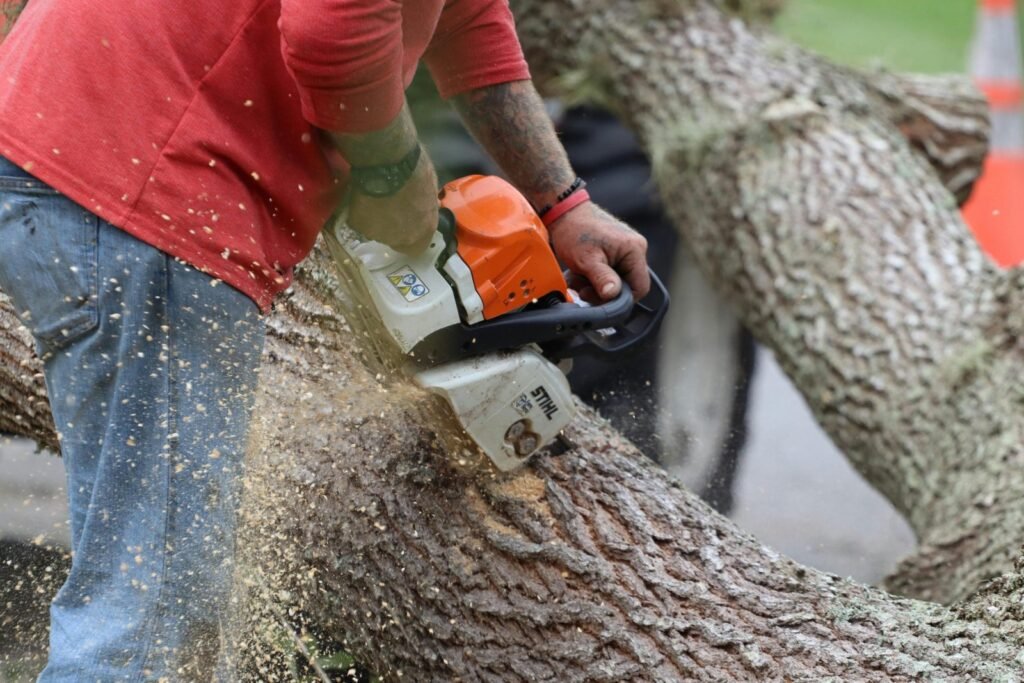
Out in the fierce housing scene of New York City, tiny choices shape how much a place is worth. Though folks in Manhattan or the Bronx pour cash into fancy kitchens, what grows outside often slips under the radar. Trees sitting on a plot act as quiet powerhouses for building value since they are relatively cheap to care for and provide a strong return. Trimming them right does more than tidy up a lawn because it shapes first impressions and lowers risks. Dense blocks full of brick and noise make green space feel like gold while a cared-for tree stands out sharply. Appraisers notice these details and buyers sense them too. The weight of shade and calm on a crowded street can push prices higher without unnecessary fanfare. The Power of Curb Appeal and First Impressions A tree matters more than you might think when it comes to how a house feels from the street, especially in the patchwork of styles across New York City. Walk down a Manhattan block and notice how homes built centuries ago stand shoulder to shoulder. In these tight spaces, one plant can shape everything about a first impression. When limbs droop too low, they hide stone carvings and window frames, which are the signs of care baked into old buildings. A careful cut pulls those features back into sight so the face of the place becomes clear. That clarity hits someone walking by before they even realize they are interested in the property. Over in the Bronx, places such as Riverdale come with roomier yards shaded by full-grown trees. A well-kept oak often tells a buyer the home has seen steady attention over the years. When branches hang wild, it hints at broader neglect, such as a leaking roof. Hiring someone skilled to trim back the foliage shapes more than just leaves since it frames care and shows that real effort lives here. That quiet message lifts a house above others when so many sit waiting for offers in a competitive market. More Natural Light and Increased Space Value Open-air glow counts among the top draws in Manhattan property markets. With structures frequently squeezed near each other, window access becomes a rare gift of daylight. Should greenery grow unchecked, thick leaves may cut off sunbeams before they touch ground-level rooms. Costly inside areas might then seem shadowed. Light slips through carefully spaced branches to brighten rooms while leaves still shield the windows for privacy. When pricing a Manhattan residence, the mention of strong daylight often means the number on the listing climbs significantly. High up in the Bronx, homes perched on slopes often come with eye-catching scenery that lifts their worth. As years pass, trees stretch out and creep into those river glimpses. Branch by branch, skilled tree workers clear just enough using a method known as vista pruning. These targeted cuts keep sightlines open without harming the tree itself. When the skyline reappears through thoughtful shaping, a house may quickly rise in appraised price because outlooks hold lasting weight across New York City real estate. Mitigating Liability and Managing Risk Worries about safety weigh heavily on every property owner. Especially in a place like New York City, where legal claims pop up often, staying safe also means protecting your wallet. When trees hold dead limbs, danger climbs because storms across the Northeast make those weak spots worse. Think of the busy sidewalks in Manhattan, where any branch dropping could spark serious injury cases. Over in the Bronx, thick arms of trees stretch too far while looming above vehicles, rooftops, or wires carrying electricity. Once a house hits the market, someone usually checks how healthy the nearby trees are. Should branches seem risky, that detail might stir debate when talking about money. Buyers could push for lower prices if they foresee paying later for urgent cuts. Getting ahead by pruning early wipes out shaky limbs before trouble starts, which helps deals close without any hitches. Fewer surprises means less chance owners face repair bills or lawsuits down the road. Promoting Long-Term Tree Health and Sustainability A lifeless tree brings high costs to a homeowner. When taking down a big tree in a cramped Manhattan yard, workers usually need advanced gear, which causes fees to climb into the thousands. To dodge such charges, consistent pruning works best by supporting the future well-being of the tree. Catching sick limbs before trouble spreads lets experts protect the central structure so your tree stands strong through many seasons ahead. A single strong tree can boost how people see a house. When summer heat hits New York, shade from leaves cuts down on indoor temperatures. Because folks now look for greener homes, yards with full-grown trees stand out. Research suggests those properties sell higher, often five to fifteen percent above similar ones without greenery. Without regular shaping, branches might weaken and lead to problems later, but careful pruning keeps risks low while helping the canopy thrive year after year. Navigating Local Aesthetics and Regulations City rules in New York set clear guidelines for looking after trees. Because of these rules, hiring someone experienced means cuts are made properly and safely. In older areas of Manhattan, how trees appear matters just as much as their health. When the upper part gets sliced flat, experts call this topping, and it rarely ends well. That kind of cut gives off an unkept impression and might make buildings nearby seem less cared for. A clean cut keeps each tree true to its shape while matching how the house was built. Because the land shifts more in parts of the Bronx, experts adjust form based on which way the winds push. Care like this makes outdoor spaces feel planned rather than accidental. Homes that mirror pages out of design books pull interest from people ready to spend extra for something flawless outside. Landscape Value Over Time Fixing up a kitchen might take many thousands of dollars, yet still fail to match what some
Pole Pruners or Chainsaws: Choosing Tools for NYC Tree Work
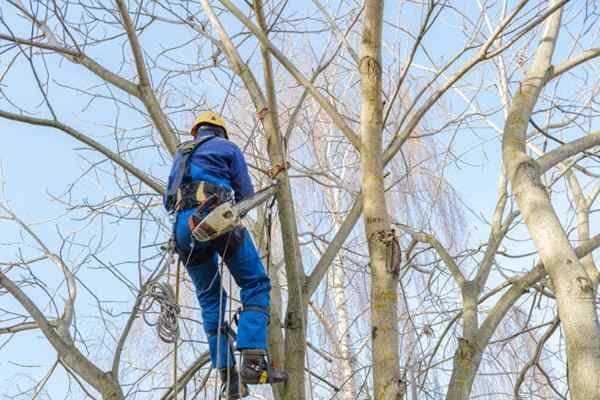
Looking after trees in New York City does not mean just trimming limbs. It means picking the right equipment for what needs doing. When tending yard trees or handling overhanging limbs close to structures, the choice matters. Safety hangs in the balance. So does clean work. This breakdown shows how these two tools differ from one another. Timing matters, and this guides your choice. Services link up too as you think about trimming, taking down trees, or urgent cuts. Pole Pruners and Chainsaws Explained High up limbs are where a pole pruner shines. Instead of climbing, you extend the tool toward the branch. A sharp blade meets a small limb for a clean slice. Reaching far spots becomes less risky. Meanwhile, power takes over with a chainsaw. Thick limbs fall fast when the motor runs. Trunks split open under its speed. One focuses on height and care, while the other thrives on force and bulk. Pole pruners move more slowly than chainsaws. Because of their motor strength, one cuts thick branches fast while the other handles light trimming. What matters most shows up when reaching high limbs quietly. A heavier machine demands more control overhead. Lighter tools let arms last longer during use. The choice lies in how much power matches the task. 1. Understanding Pole Pruners and Their Use A tool built onto an extended rod reaches high limbs without ladders. Reaching upward becomes simpler when cutting distant twigs. Often seen during yard care, it shapes canopies over sidewalks. Tall city streets filled with wires make guided cuts necessary near rooftops. Working from the ground keeps things safer. Branches get trimmed just right using these tools. Shaping trees happens smoothly when cuts are clean. City workers choose them since ladders are not needed. Tree health gets a boost with careful trimming. Reaching high limbs becomes possible while standing below. Manual versions use a hooked blade and a string to snip through thin growth. Battery versions provide a bit more bite for branches that a manual blade cannot bite through. This versatility allows a gardener to maintain a tree’s silhouette without heavy machinery. 2. Chainsaw Basics and Usage Scenarios Chopping through dense logs is when a chainsaw proves useful. When big limbs must go, this device gets called on. Power matters in places such as New York City, especially for tough outdoor jobs. Removing entire trees often depends on having one nearby. Strong cutting tools prove their worth during storm cleanup. Speed meets power here. Skill matters more than strength when handling these tools. A chainsaw consists of a guide bar and a spinning chain with sharp teeth. This design is built to chew through wood fibers rapidly. When a tree has died, or a storm has snapped a massive oak limb, a pole pruner would be useless. The chainsaw is the heavy hitter of the tree world. It requires a firm grip, protective gear, and an understanding of how wood tension works. 3. Key Differences Between Pole Pruners and Chainsaws Above all else, reaching high limbs defines what pole pruners do best. Instead of scaling a ladder, you stay grounded while snipping overhead growth. When tasks involve delicate shaping, safety tilts toward these long-handled tools. Power shifts dramatically with chainsaws because they bring raw force to each cut. Getting near the action becomes unavoidable since hand placement demands proximity. Pole pruners offer more control and suit tight spots just fine. When branches hang close or things feel fragile, they handle the job well enough. Chainsaws tear through thick trunks yet miss small details every time. Around crowded streets and narrow yards, choices really matter. Wrong picks lead to broken fences or shaky ladders before you know it. 4. Tree Trimming Tools for NYC Conditions Most jobs high up need something long to reach. Shaping green growth often works best with a tool on a stick. That kind gives you grip without climbing. Thick limbs cracking under weight demand loud power gear. Cutting through fat trunks is not done by hand. Heavy falling means sharp teeth driven fast. Efficiency shows when the task finishes without delay. In NYC, experts sometimes grab a pole pruner first, later switching to a chainsaw if branches get thick. One tool leads to another, depending on what the tree demands. Safety slips in quietly when both devices play their part. Urban environments present unique obstacles. Overhead power lines and parked cars mean that every falling branch must be controlled. A pole pruner allows for a snip-and-drop approach for small debris. 5. Safety Tips for Working with Trees in Cities Staying safe matters most when cutting trees in busy areas. Around pedestrians, traffic, and structures, every branch needs careful thought before removal. From the ground, pole pruners help avoid danger by letting workers stay clear of dropping limbs. Without the right clothing and control, chainsaw work can go wrong fast. Picking the correct equipment cuts down risks while getting things finished without harm. When storms hit, these steps become even more critical for crews who respond quickly. Always look up before you start. Check for wires and ensure the drop zone is clear of people. 6. Professional Tree Services Matter Climbing up there is not something just anyone should try. Tight spots, tricky heights, and local rules often turn small jobs into risky moves for amateurs. Those who do this every day carry the right tools, years of practice, and sharp judgment about each cut. Knowing whether a long-handled clipper fits better than roaring saws keeps branches in check while protecting homes and people nearby. When storms hit, experts handle removals, trimming, or urgent care without delay. Following strict rules helps them work fast yet stay safe on site. Conclusion What you are cutting decides whether a pole pruner fits better than a chainsaw. Reaching tall branches is where long-handled trimmers shine. When thick limbs come into play, raw cutting strength matters more, and that is chainsaw territory. Spotting this gap helps keep city trees
What Happens During a Professional Tree Trimming Appointment: Step-by-Step Process
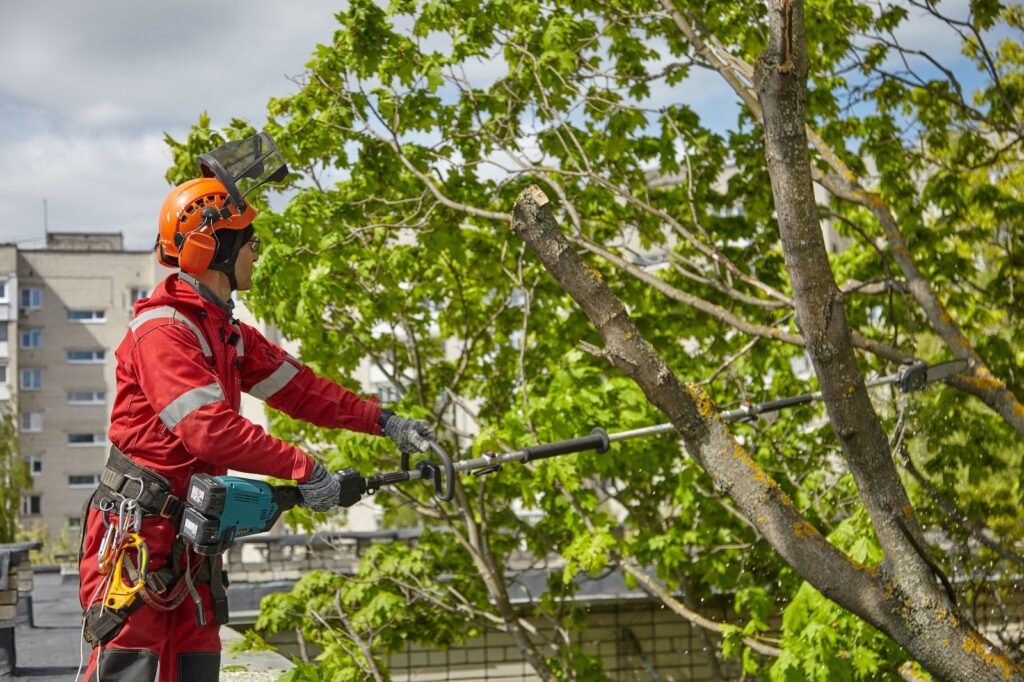
You typically won’t realize how important your trees are until one starts causing problems. After a storm, a massive branch begins hanging over your roof. Your living room has lost its sunlight because a tree has grown too close. And perhaps worse, a cracked branch is dangling over your driveway. Generally, this is the time that most homeowners start considering tree trimming services. But what happens when a tree trimming service comes to your house? What are the tools of the trade? What do they consider when deciding which branches to cut? How do they make clean cuts not to harm the tree and endanger your home? Join us as we describe a tree trimming service step-by-step, so you’ll know what to expect from their arrival to the final cleanup. 1. On-Site Arrival and Property Assessment The appointment itself starts a long time before the first branch is cut. Assessment of tree health is done in a structured manner by a certified ISA arborist or crew leader. It is no quick look at the canopy, it is a detailed one, comprising: The timing of pruning is also an issue that is taken into account by the arborist as well depending on the season of pruning. As an illustration, late winter pruning promotes robust spring growth, whereas pruning in summer might be useful in regulating excessive growth. They will talk about your ambitions too: It is a phase defining the priorities in safety as well as aesthetic goals. 2. Safety Setup and Equipment Preparation Crews of professionals do not start cutting at once. They prepare the place of operation in a safe way. This includes: Every crew member wears: In urban areas such as New York City, there is always a lack of room and thus advanced rope rigging methods are necessary to ensure limbs do not destroy adjacent properties. This is a disciplined method and keeps the activities of professionals independent of dangerous DIY cutting. 3. Crown Cleaning: Removing Dead and Hazardous Branches The first actual trimming phase is typically crown cleaning. This step focuses on removing: Each cut is deliberate. Arborists use the three-cut method to prevent bark tearing: The branch collar is critical—it contains specialized cells that help seal wounds naturally. Cutting too close (flush cut) damages the tree’s defense system. Cutting too far leaves a stub that invites decay. This step improves safety and restores structural integrity. 4. Crown Thinning for Light and Airflow After the removal of hazardous limbs, the crew proceeds to the crown thinning. This is not an arbitrary cutting off of branches. It is a strategically downsizing of interior branches to: Professional thinning preserves the natural form of the tree and also decreases the density of the tree by about 10- 25 percent, depending on the species and health. Poor thinning is commonly referred to as lion-tailing, which causes excessive interior growth to be removed leaving the foliage at the ends of the branches. This compromises strength of structure. Experienced arborists do not repeat this error by ensuring that branches are distributed evenly. 5. Crown Raising for Clearance When your trees are too low and are dangling on sidewalks, driveways or buildings, the crew does crown raising. This entails amputation of lower limbs to attain: Arborists are however guided by strict guidelines. Excessive cutting of lower branches may make a tree top-heavy, and leave the bark to the injury of sunscald. This is determined by the diameter of the trunk and structural support. 6. Crown Reduction (If Necessary) In case the tree has become too big in its location, then crown reduction pruning can be advised. This is quite contrary to topping. Reduction pruning includes instead of snipping of the top flat (which is detrimental and produces poor regrowth): Trees near buildings or power facilities should be reduced, and this usually happens to the crown of a tree. 7. Structural Pruning for Young Trees If the appointment involves a young tree, arborists focus on structural pruning. This establishes: Correct structural pruning reduces future storm damage risk and minimizes long-term corrective trimming costs. 8. Precision Cutting Tools Used During the appointment, professionals use specialized tools including: Tools are disinfected between cuts when disease is present to prevent pathogen transmission. 9. Debris Management and Cleanup After trimming, the job isn’t finished. Professional service includes full debris management: Homeowners may choose to keep mulch from chipped wood for landscaping use. The property should look cleaner than before work began. 10. Final Inspection and Client Walkthrough Before leaving, the arborist performs a final inspection: They then walk the property with you, explaining what was done and recommending future maintenance intervals. Most mature trees benefit from trimming every 2–3 years, though fast-growing species may require annual service. Conclusion In order to ensure the protection of the property and the tree, tree trimming involves decades of experience and knowledge of the inner workings of tree anatomy. When trimming is performed correctly, it is proven to increase the value of your property, and ensure the tree grows in a healthy manner and provides the tree with structural support, and increases the overall safety of the area. The only practice that will ensure the continued health of a tree for the duration of it’s life is pruning performed in accordance with proper standards. The only tree care service that provides the level of experience required for the proper care of the trees in your care is NYC Tree Trimming. This is the only service that supports modern, practice based tree care for the urban landscape.
NYC Tree Trimming Laws: What You Can and Can’t Do Legally
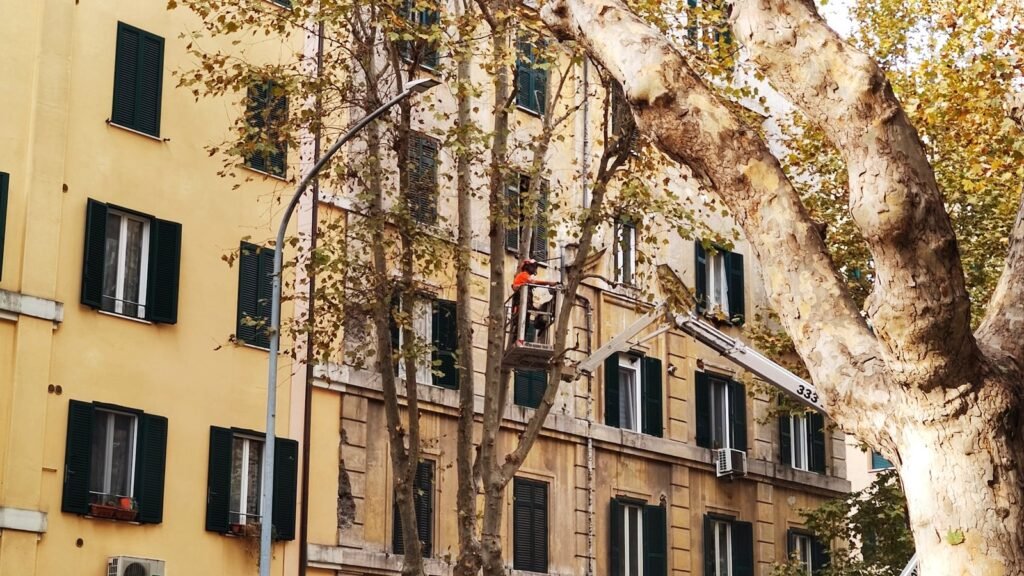
Can you trim the tree in front of your house in NYC legally — or could that simple weekend project possibly earn you a big-ticket fine? Many New Yorkers think that because a tree grows near their property, they assume that they are able to cut it. This is wrong. NYC Tree Laws are very strict, and planning violations result in severe penalties. NYC is very protective of their trees, and their laws are very strict for a reason. There are over seven million trees in NYC, and the city treats them as infrastructure rather than mere landscaping. From Manhattan to Staten Island, the same laws apply, but they choose to enforce them differently depending on the location and the trees. The First Legal Question: Is It a Street Tree or a Private Tree? You have to first identify the kind of tree that is to be trimmed as being a street tree or a private property tree. Any tree that has been planted on the city owned land is considered a street tree and it is generally planted in a pit located in the sidewalk between the curb and the property line. It does not belong to you even when it is right in front of your house. These trees are in the New York City Department of Parks and Recreation that is usually known as NYC Parks. When the trunk of the tree falls within your property line, that is, in your back yard, the general rule is that it is a private tree and other rules do not apply. This is the area where homeowners become trouble makers: it is against the law to trim a tree along the street without permission, even when their branches are shading your window, or their debris is littering your driveway. What You CANNOT Do to a NYC Street Tree The actions that are prohibited without any authorization according to the NYC Administrative Code are as follows: Pruning even in a small scale, needs approval in the city. Illegal logging may lead to fines amounting to between 1,000 and 15,000 per tree, according to the extent of damage. Cases of willful destruction that are severe can lead to civil penalties that are expressed in per inch of trunk diameter. Most of the locals feel a minor branch cutting will not hurt. But incorrect pruning may cause the tree canopy to become unstable, form dangerous limb arrangements or bring diseases like oak wilt or Dutch elm disease which is actively managed by NYC. Contractors are permitted to legally do work on the street trees only if they have a NYC Parks Tree Work Permit, and frequently an accreditation as a Certified Arborist (ISA Certified Arborist). The NYC Tree Work Permit Process Should a street tree need to be pruned, say, if it is causing utility wires to be destroyed or if it is obstructing signs or is an obstacle to pedestrian safety, then the correct procedure is to request it to be done via NYC Parks. Whether the tree qualifies in the city, the city considers whether the tree is: The city does the work in most instances at no cost, but schedules might change based on borough, workload and season. In case of immediate danger say by a broken limb over a sidewalk, the residents are asked to report to NYC Parks Forestry Division or call 311 to report the dangerous state of the tree. The desire to circumvent the permit system may subject property owners to the inspection of enforcement and stop-work orders. What You CAN Legally Do to a Private Tree When the tree is completely within your property, then you usually have the right to prune the tree or cut it down. This does not, however, imply that restrictions are not present. New York City still controls some situations with personal trees: 1. Historic or Landmark Properties. In the event your property is subject to regulation by the New York City Landmarks Preservation Commission, any removal of trees or significant changes in its nature may be subject to approval, particularly where the tree is part of the historic nature of the property. 2. Species and Environmental Reserves. Other environmental compliance may be necessary in some waterside or environment sensitive areas. 3. Shared Property Lines In case when the branches reach the land of a neighbor, the New York law permits the neighbor to cut the overgrowing branches, however, within the premises and without injuring the general well-being of the tree. Civil liability may also arise in the manner of poor cutting leading to the death of the tree. Sidewalk Damage and Tree Roots: Who Is Responsible? Sidewalk damage due to tree roots is one of the most misconceived parts of the NYC tree law. When the roots of a street tree raise or crack the sidewalk, homeowners are normally liable to repair the sidewalk but not cutting of roots. Unauthorized root cutting is highly forbidden and may cause the tree to become unstable and collapse posing a risk of injury to the tree. The New York City Department of Transportation should be approached to get a permit before undertaking the making of the sidewalk repairs. There are rules of protection that should be adhered to during repair to the tree pits in order to prevent root damage. Violation of these standards may lead to further fines in addition to the violations of sidewalks. Emergency Tree Situations: Storm Damage & Fallen Trees Many residents go on to do immediate cleanup after massive storms or hurricanes. Nevertheless, there is a limit of the law. Removal of street trees in NYC is taken care of by NYC Parks. The residents are not to cut or pull out fallen trees belonging to the city unless they are specifically approved. In the case of a fallen tree that belongs privately but falls on the premise of a public area a homeowner can still be liable to do clean up and in case