Trees stand tall in cities, providing shade and enhancing the appearance of places while benefiting nature. Yet any strong one might turn dangerous when sick, hurt, or just old. If a tree could crash down soon, risking harm to you or your home, moving fast is not optional; it is necessary. Delaying action turns small risks into big trouble, possibly wrecking buildings, costing heaps to fix, or causing real injuries. Spotting the main clues that scream it is time to act fast can help you decide quickly saving the stuff you care about. Catching these signals early lets you bring experts on board before a small hassle blows up into a crisis.
1. Major Splits or Cracks in the Trunk or Large Limbs
The trunk acts like a tree’s spine. It holds up the whole plant on its own. A big split means serious weakness inside. These are not just scratches; they dig far into the wood, weakening how well the tree stays standing when pushed. Check for long cracks going down the trunk, or sideways ones that hint rot might be hiding within. A big branch with deep cracks can be just as risky. It might snap without warning like a trap waiting for spring. That is especially true when the break happens where two trunks join in a V, crowding each other. Bark gets pinched inside, stopping solid growth from forming across the gap. These tight joints do not hold up well under stress. If you spot big, deep cracks, especially ones leaking sap or looking rotten inside it is time to act fast. Taking it down right away stops surprise collapses.
2. Sudden Leaning or Uprooting
A tree starting to tilt out of nowhere or looking like it is popping out of the soil is usually a giveaway it is in trouble. Sure, some trees grow crooked, but if it shifts fast, particularly following heavy wind, something is wrong below ground. Take a close look near the trunk at the dirt level to check for lifted earth or bulging soil on the side facing away from the slant. That bump tells you roots are ripping free. A tree starting to lift will likely crash down soon there is no telling which way it will go. That uncertainty makes it risky; it could smash houses, cars, or snap electrical wires nearby. Just because it is barely tilted does not mean roots are okay. Time is tight here; more rain can loosen things fast, while a strong breeze might push it over any second.
3. Extensive Internal Decay or Pest Infestation
Trees sometimes hide serious issues inside, even when they look fine externally. Because of fungal growth or bugs eating the wood, damage can spread deep without warning. Check for shelf-like mushrooms or odd growths on the bark; they mean the fungus is active within. These structures show that decay is already advanced. Also, big dents or open gaps suggest empty spaces have formed inside. A bad bug problem can mess up a tree’s strength. Heavy harm from critters like ash borers or termites often makes wood weak, quickly turning it fragile and likely to crack. Look for clues such as piles of sawdust or tiny holes in the bark. When you spot open gaps going far into the trunk, the structure could be failing. That kind of tree might split suddenly, so pulling it out right away keeps things safe.
4. Large Areas of Deadwood or Hanging Limbs (Widowmakers)
Broken sticks stay dangerous all the time. While green ones bend, old wood cracks without warning, even when it is not windy. Check for bare arms in summer or flaking skin on the trunk. Those are called widowmakers. They are ready to drop, hurting whatever is underneath. Big broken branches above your house or yard become way riskier when they are barely holding on. Rain or a sharp blast of wind might be enough to snap them loose. Even though experts can usually handle small, lifeless twigs through trimming, hefty ones suggest deeper trouble. When multiple thick sections across the crown are dying, it is likely the whole tree is weakening fast. At that point, pulling out the full tree becomes urgent to stop the disaster.
5. Proximity to Structures or Power Lines After Damage
A tree may look fine at first yet still pose a sudden danger because of where it is standing and harm already done. When a trunk gets damaged by a storm or a car crash and starts tilting toward your home or electrical wires, things get urgent. Small injuries might make older weak spots worse, so waiting up the chance it will fall Trees hanging over power lines are risky. When a broken branch touches wires, it might lead to electric shocks or knock out electricity for many people. Stay away from cutting those branches yourself. The same goes if a tree pushes hard against a wall or fence; that pressure weakens the structure slowly. Here, the real problem is exactly what it hits so getting help fast from someone trained makes the difference.
Do Not Delay – Contact NYC Tree Trimming Today
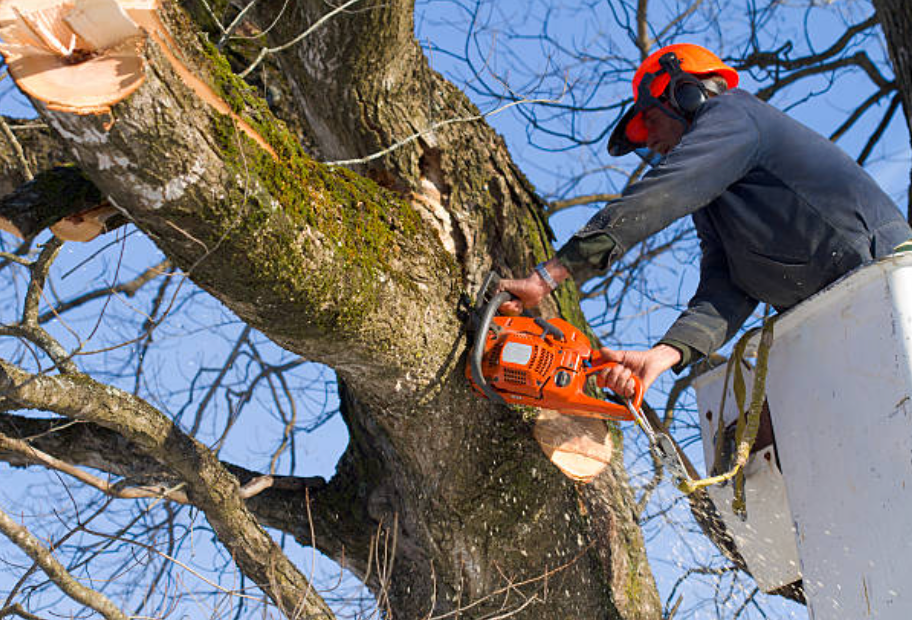
Spotting these five red flags helps keep your home and family safe. If a tree is turning risky, you have got to act fast; delaying until bad weather hits might cause serious damage. We at NYC Tree Trimming know how urgent it can get when trees pose a danger. With skilled climbers on hand, we handle tough removals carefully using expert judgment and solid gear. If a branch crashes down, you will want to quickly help our crew jump on it right away through our Emergency Tree Service. When a tree acts risky, Tree Removal might be smart; we check things out before trouble strikes. Need Tree Pruning to avoid problems later? That is where our experience makes a difference. Safety comes first, always. Hit us up now through NYC Tree Trimming, and we will answer quickly when you are stressed. No delay means less danger and one fewer worry hanging over your head.