How Tree Trimming Boosts Property Value: Real Estate Impact in Manhattan and the Bronx
Out in the fierce housing scene of New York City, tiny choices shape how much a place is worth. Though folks in Manhattan or the Bronx pour cash into fancy kitchens, what grows outside often slips under the radar. Trees sitting on a plot act as quiet powerhouses for building value since they are relatively cheap to care for and provide a strong return. Trimming them right does more than tidy up a lawn because it shapes first impressions and lowers risks. Dense blocks full of brick and noise make green space feel like gold while a cared-for tree stands out sharply. Appraisers notice these details and buyers sense them too. The weight of shade and calm on a crowded street can push prices higher without unnecessary fanfare. The Power of Curb Appeal and First Impressions A tree matters more than you might think when it comes to how a house feels from the street, especially in the patchwork of styles across New York City. Walk down a Manhattan block and notice how homes built centuries ago stand shoulder to shoulder. In these tight spaces, one plant can shape everything about a first impression. When limbs droop too low, they hide stone carvings and window frames, which are the signs of care baked into old buildings. A careful cut pulls those features back into sight so the face of the place becomes clear. That clarity hits someone walking by before they even realize they are interested in the property. Over in the Bronx, places such as Riverdale come with roomier yards shaded by full-grown trees. A well-kept oak often tells a buyer the home has seen steady attention over the years. When branches hang wild, it hints at broader neglect, such as a leaking roof. Hiring someone skilled to trim back the foliage shapes more than just leaves since it frames care and shows that real effort lives here. That quiet message lifts a house above others when so many sit waiting for offers in a competitive market. More Natural Light and Increased Space Value Open-air glow counts among the top draws in Manhattan property markets. With structures frequently squeezed near each other, window access becomes a rare gift of daylight. Should greenery grow unchecked, thick leaves may cut off sunbeams before they touch ground-level rooms. Costly inside areas might then seem shadowed. Light slips through carefully spaced branches to brighten rooms while leaves still shield the windows for privacy. When pricing a Manhattan residence, the mention of strong daylight often means the number on the listing climbs significantly. High up in the Bronx, homes perched on slopes often come with eye-catching scenery that lifts their worth. As years pass, trees stretch out and creep into those river glimpses. Branch by branch, skilled tree workers clear just enough using a method known as vista pruning. These targeted cuts keep sightlines open without harming the tree itself. When the skyline reappears through thoughtful shaping, a house may quickly rise in appraised price because outlooks hold lasting weight across New York City real estate. Mitigating Liability and Managing Risk Worries about safety weigh heavily on every property owner. Especially in a place like New York City, where legal claims pop up often, staying safe also means protecting your wallet. When trees hold dead limbs, danger climbs because storms across the Northeast make those weak spots worse. Think of the busy sidewalks in Manhattan, where any branch dropping could spark serious injury cases. Over in the Bronx, thick arms of trees stretch too far while looming above vehicles, rooftops, or wires carrying electricity. Once a house hits the market, someone usually checks how healthy the nearby trees are. Should branches seem risky, that detail might stir debate when talking about money. Buyers could push for lower prices if they foresee paying later for urgent cuts. Getting ahead by pruning early wipes out shaky limbs before trouble starts, which helps deals close without any hitches. Fewer surprises means less chance owners face repair bills or lawsuits down the road. Promoting Long-Term Tree Health and Sustainability A lifeless tree brings high costs to a homeowner. When taking down a big tree in a cramped Manhattan yard, workers usually need advanced gear, which causes fees to climb into the thousands. To dodge such charges, consistent pruning works best by supporting the future well-being of the tree. Catching sick limbs before trouble spreads lets experts protect the central structure so your tree stands strong through many seasons ahead. A single strong tree can boost how people see a house. When summer heat hits New York, shade from leaves cuts down on indoor temperatures. Because folks now look for greener homes, yards with full-grown trees stand out. Research suggests those properties sell higher, often five to fifteen percent above similar ones without greenery. Without regular shaping, branches might weaken and lead to problems later, but careful pruning keeps risks low while helping the canopy thrive year after year. Navigating Local Aesthetics and Regulations City rules in New York set clear guidelines for looking after trees. Because of these rules, hiring someone experienced means cuts are made properly and safely. In older areas of Manhattan, how trees appear matters just as much as their health. When the upper part gets sliced flat, experts call this topping, and it rarely ends well. That kind of cut gives off an unkept impression and might make buildings nearby seem less cared for. A clean cut keeps each tree true to its shape while matching how the house was built. Because the land shifts more in parts of the Bronx, experts adjust form based on which way the winds push. Care like this makes outdoor spaces feel planned rather than accidental. Homes that mirror pages out of design books pull interest from people ready to spend extra for something flawless outside. Landscape Value Over Time Fixing up a kitchen might take many thousands of dollars, yet still fail to match what some
Pole Pruners or Chainsaws: Choosing Tools for NYC Tree Work
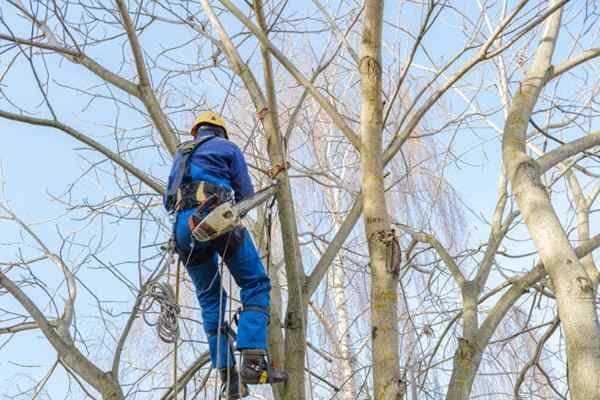
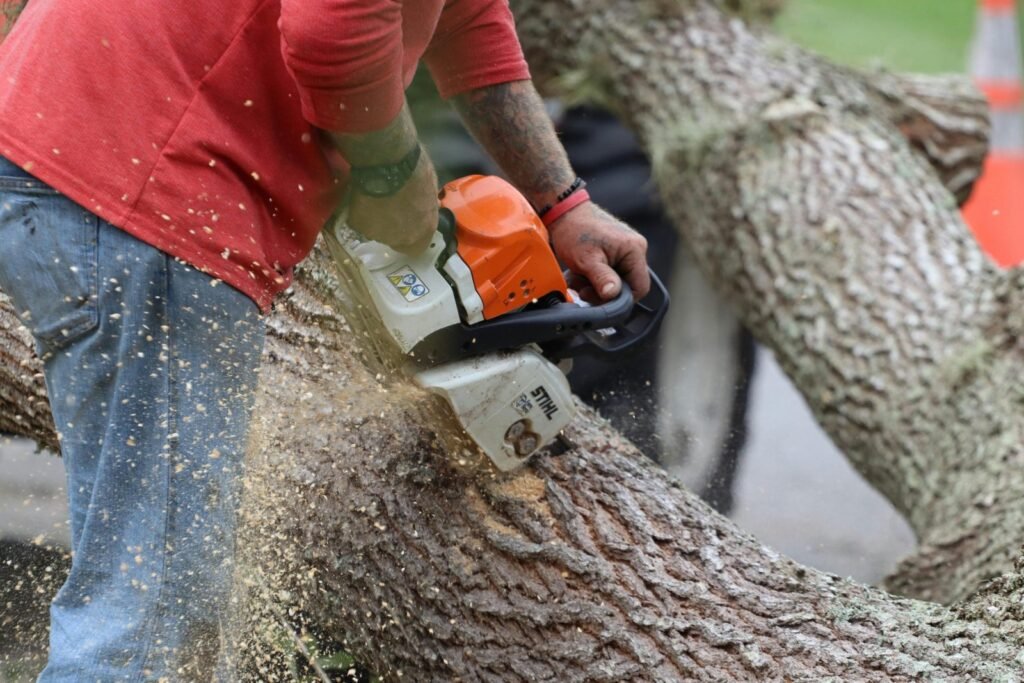
Looking after trees in New York City does not mean just trimming limbs. It means picking the right equipment for what needs doing. When tending yard trees or handling overhanging limbs close to structures, the choice matters. Safety hangs in the balance. So does clean work. This breakdown shows how these two tools differ from one another. Timing matters, and this guides your choice. Services link up too as you think about trimming, taking down trees, or urgent cuts. Pole Pruners and Chainsaws Explained High up limbs are where a pole pruner shines. Instead of climbing, you extend the tool toward the branch. A sharp blade meets a small limb for a clean slice. Reaching far spots becomes less risky. Meanwhile, power takes over with a chainsaw. Thick limbs fall fast when the motor runs. Trunks split open under its speed. One focuses on height and care, while the other thrives on force and bulk. Pole pruners move more slowly than chainsaws. Because of their motor strength, one cuts thick branches fast while the other handles light trimming. What matters most shows up when reaching high limbs quietly. A heavier machine demands more control overhead. Lighter tools let arms last longer during use. The choice lies in how much power matches the task. 1. Understanding Pole Pruners and Their Use A tool built onto an extended rod reaches high limbs without ladders. Reaching upward becomes simpler when cutting distant twigs. Often seen during yard care, it shapes canopies over sidewalks. Tall city streets filled with wires make guided cuts necessary near rooftops. Working from the ground keeps things safer. Branches get trimmed just right using these tools. Shaping trees happens smoothly when cuts are clean. City workers choose them since ladders are not needed. Tree health gets a boost with careful trimming. Reaching high limbs becomes possible while standing below. Manual versions use a hooked blade and a string to snip through thin growth. Battery versions provide a bit more bite for branches that a manual blade cannot bite through. This versatility allows a gardener to maintain a tree’s silhouette without heavy machinery. 2. Chainsaw Basics and Usage Scenarios Chopping through dense logs is when a chainsaw proves useful. When big limbs must go, this device gets called on. Power matters in places such as New York City, especially for tough outdoor jobs. Removing entire trees often depends on having one nearby. Strong cutting tools prove their worth during storm cleanup. Speed meets power here. Skill matters more than strength when handling these tools. A chainsaw consists of a guide bar and a spinning chain with sharp teeth. This design is built to chew through wood fibers rapidly. When a tree has died, or a storm has snapped a massive oak limb, a pole pruner would be useless. The chainsaw is the heavy hitter of the tree world. It requires a firm grip, protective gear, and an understanding of how wood tension works. 3. Key Differences Between Pole Pruners and Chainsaws Above all else, reaching high limbs defines what pole pruners do best. Instead of scaling a ladder, you stay grounded while snipping overhead growth. When tasks involve delicate shaping, safety tilts toward these long-handled tools. Power shifts dramatically with chainsaws because they bring raw force to each cut. Getting near the action becomes unavoidable since hand placement demands proximity. Pole pruners offer more control and suit tight spots just fine. When branches hang close or things feel fragile, they handle the job well enough. Chainsaws tear through thick trunks yet miss small details every time. Around crowded streets and narrow yards, choices really matter. Wrong picks lead to broken fences or shaky ladders before you know it. 4. Tree Trimming Tools for NYC Conditions Most jobs high up need something long to reach. Shaping green growth often works best with a tool on a stick. That kind gives you grip without climbing. Thick limbs cracking under weight demand loud power gear. Cutting through fat trunks is not done by hand. Heavy falling means sharp teeth driven fast. Efficiency shows when the task finishes without delay. In NYC, experts sometimes grab a pole pruner first, later switching to a chainsaw if branches get thick. One tool leads to another, depending on what the tree demands. Safety slips in quietly when both devices play their part. Urban environments present unique obstacles. Overhead power lines and parked cars mean that every falling branch must be controlled. A pole pruner allows for a snip-and-drop approach for small debris. 5. Safety Tips for Working with Trees in Cities Staying safe matters most when cutting trees in busy areas. Around pedestrians, traffic, and structures, every branch needs careful thought before removal. From the ground, pole pruners help avoid danger by letting workers stay clear of dropping limbs. Without the right clothing and control, chainsaw work can go wrong fast. Picking the correct equipment cuts down risks while getting things finished without harm. When storms hit, these steps become even more critical for crews who respond quickly. Always look up before you start. Check for wires and ensure the drop zone is clear of people. 6. Professional Tree Services Matter Climbing up there is not something just anyone should try. Tight spots, tricky heights, and local rules often turn small jobs into risky moves for amateurs. Those who do this every day carry the right tools, years of practice, and sharp judgment about each cut. Knowing whether a long-handled clipper fits better than roaring saws keeps branches in check while protecting homes and people nearby. When storms hit, experts handle removals, trimming, or urgent care without delay. Following strict rules helps them work fast yet stay safe on site. Conclusion What you are cutting decides whether a pole pruner fits better than a chainsaw. Reaching tall branches is where long-handled trimmers shine. When thick limbs come into play, raw cutting strength matters more, and that is chainsaw territory. Spotting this gap helps keep city trees